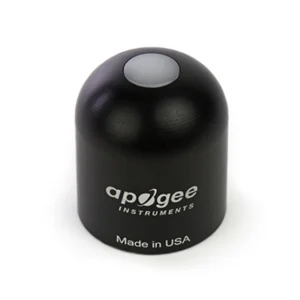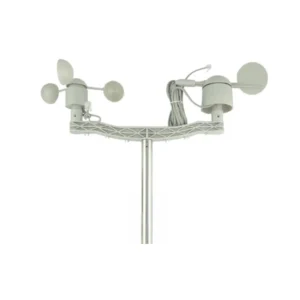
On April 7, 2022, the first 50 of the 100 agroclimatic stations that are part of the Humecfol Project were delivered .
Project aimed at reducing and optimizing the use of phytosanitary treatments for black spot on pear trees by improving the calculation accuracy of the “BSPCast” model
The project stems from the recognition that there is significant room for improvement in the application of an efficient number of plant protection treatments if the accuracy of the “BSPCast” model is enhanced by incorporating moisture measurements associated with each plot, as this would allow for specific and customized recommendations for each one.
The overall objective of the project is to reduce the use of phytosanitary treatments against black spot on pear trees, using the “risk index” from the “BSPcast” model—based on moisture data specific to individual plots—as a reference.
The significance of the proposal lies in the fact that it focuses on a specific crop—the pear—which is profitable for La Rioja (with 2,500 ha) and on a specific disease (black spot); however, this project, its methodology, and the objectives to be achieved (reduction in pesticide use, increased yield per hectare, and reduced emissions) can be extrapolated to any crop where leaf wetness is a significant factor in disease development, such as downy mildew in vineyards, late blight in potatoes, and apple scab.
The project was sponsored by the La Rioja Agroclimatic Information Service, ENCORE-LAB, the Rincón de Soto Pears Designation of Origin, and ARAG-ASAJA.
This project is co-financed by the Ministry of Agriculture, Fisheries, Food, and the Environment; the Rural Development Program (PDR) of the Government of La Rioja; and the European Agricultural Fund for Rural Development.