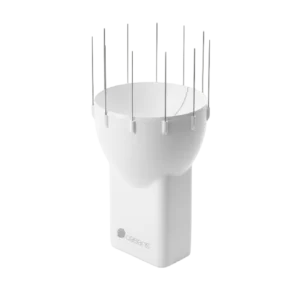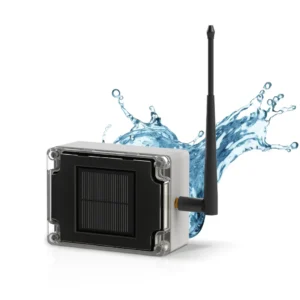
As part of the European PEATLESS project, we at Cesens are developing a digital sensor system designed to monitor new alternative substrates to peat, which can be used in both mushroom cultivation and ornamental plant and vegetable seedling production systems.
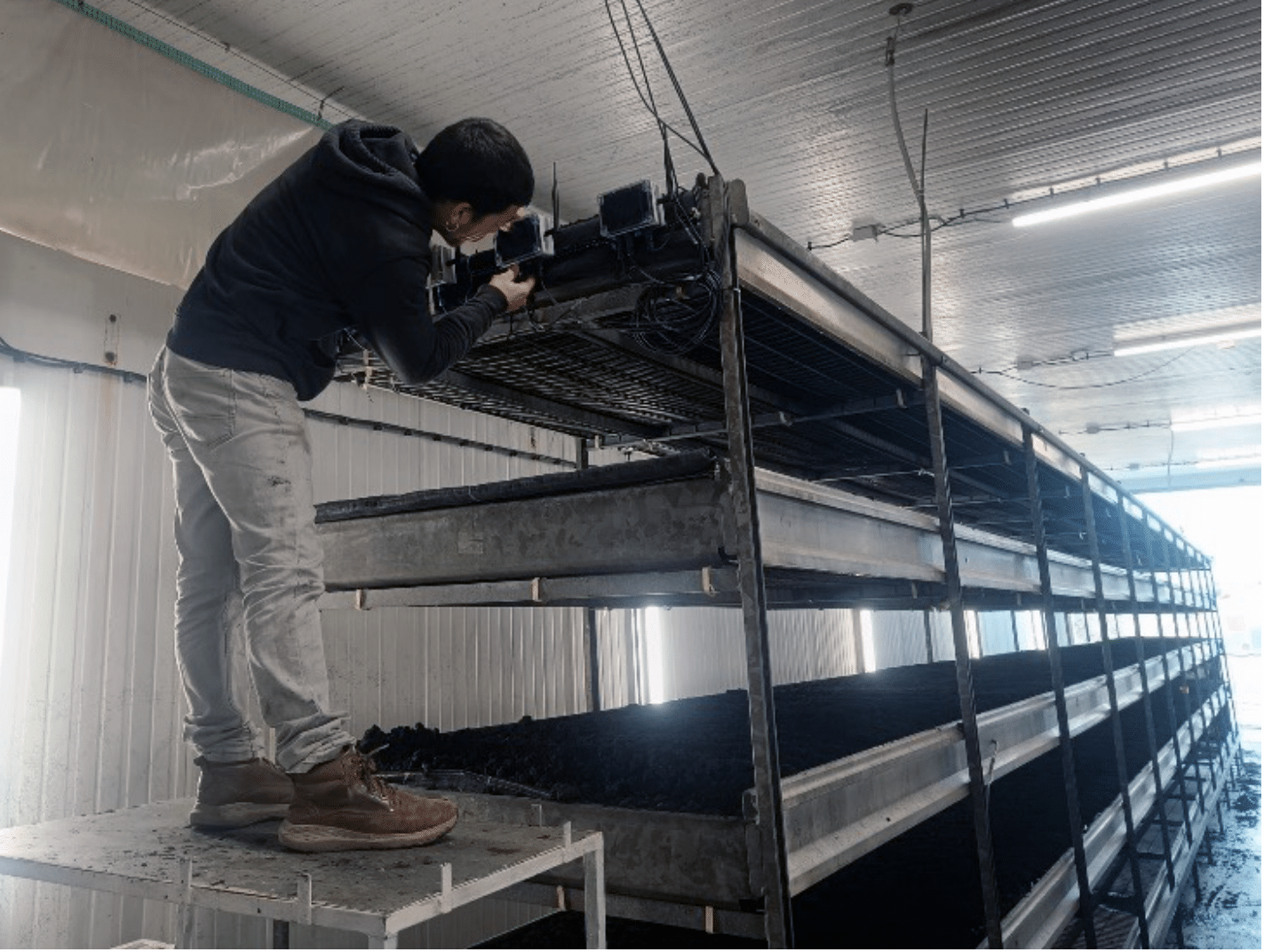
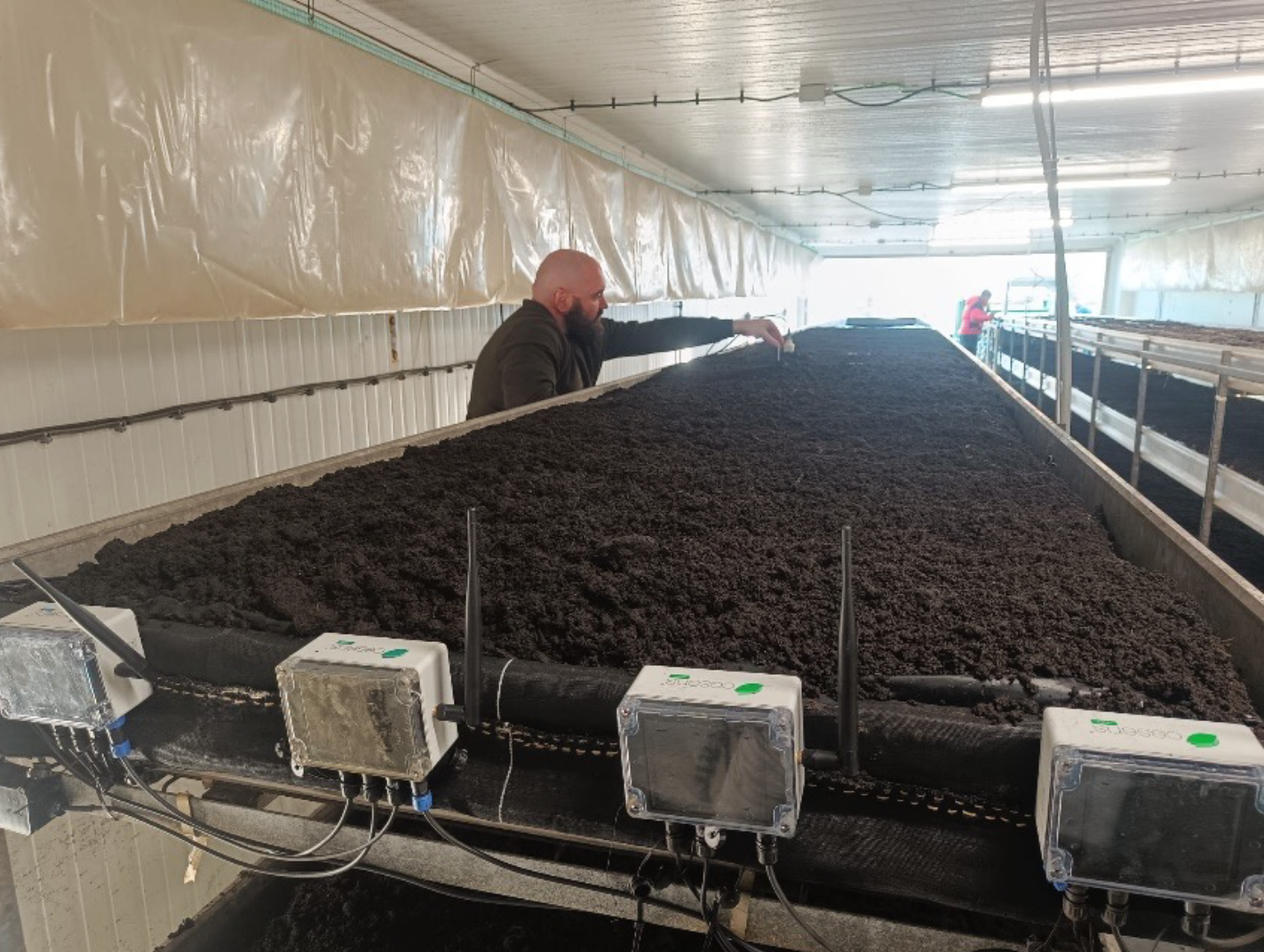
Last week, taking advantage of the start of a new mushroom growing cycle at the facilities of CTICH—the project coordinator—a preliminary sensor installation was carried out under real production conditions, designed to serve as a test bed for defining the technical specifications of the final system.
Measurement Technologies in Assessment
In this initial trial, various technologies for measuring humidity, temperature, and electrical conductivity were tested, with the aim of comparing their performance in a particularly complex environment characterized by a surface layer of mulch approximately 5 cm thick, which is used during the final stage of fruiting to promote the growth of button mushrooms.
Specifically, the aim is to evaluate sensors based on capacitive principles, which are widely used due to their low power consumption and ease of integration; sensors that employ electromagnetic techniques with a larger measurement volume, capable of averaging a larger volume of substrate; and sensors based on frequency-domain reflectometry (FDR), which allow for a more detailed characterization of water content and electrical conductivity.
In addition, two installation configurations —vertical insertion from the surface and lateral buried placement—have been implemented to analyze how the installation geometry influences the stability and representativeness of the readings.
The data collected throughout the entire month-long trial will make it possible to select the most appropriate technologies, define installation criteria, and begin adjusting specific calibration equations for the new peat-free substrates to be developed as part of the project.
The Key Challenge: Coverage and Telecommunications
Beyond evaluating the sensors, these initial tests are proving crucial for identifying the main technical challenges that will shape the system’s final design, the most significant of which relates to data transmission.
The fact is that many mushroom production facilities are essentially cold storage rooms built with sandwich panels, which create a significant electromagnetic shielding effect, similar to that of a Faraday cage. This characteristic significantly limits the coverage of conventional communications (GSM), making it difficult to transmit data from inside the growing rooms to our servers.
This constraint is leading the project to evaluate communication alternatives with greater penetration capabilities, such as LoRaWAN networks, supported by the use of intermediate repeaters, with the goal of ensuring robust, continuous, and energy-efficient communication in these types of enclosed environments.
Other factors, such as high ambient humidity or a lack of natural light, are also being taken into account as design variables that must be considered to ensure the long-term reliability of the equipment.
Next Steps
As the trial progresses and a broader time series of data becomes available, technical decisions will be refined, enabling the development of a sensor solution tailored to the new substrates and aligned with the PEATLESS project’s sustainability and digitalization goals.