The concept of minerality In wines, it is one of the most mysterious attributes from a chemical standpoint. Minerality in wines is frequently associated with the concept of “terroir.” This descriptor is commonly used to link the term “minerality” to the composition and mineral content of a wine, although there are no sufficiently well-founded previous studies to establish such a direct association. Spain is one of the world’s largest wine producers, and although winemakers, sommeliers, and industry experts devote much of their time to the sensory analysis of wine, parallel studies analyzing chemical composition to identify the compounds responsible for each aromatic and gustatory sensation are rarely conducted.
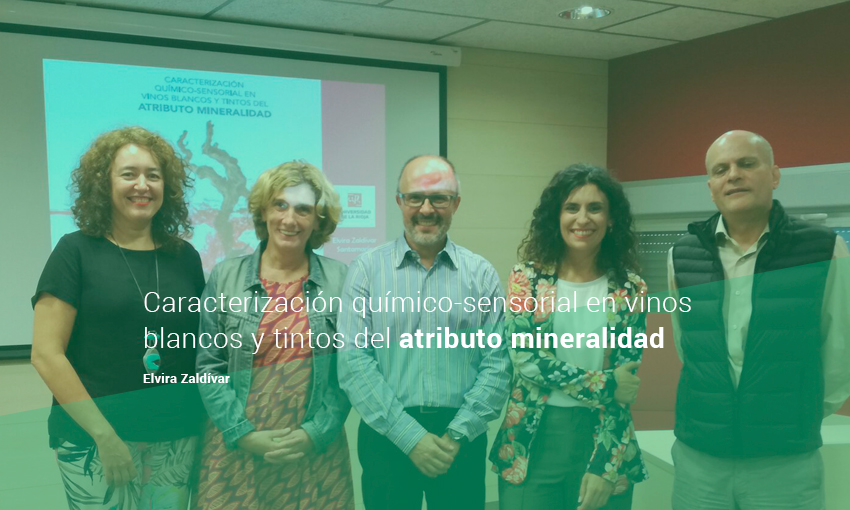
The doctoral dissertation, which received a “Cum Laude ” distinction, was presented by doctoral candidate Elvira Zaldívar on September 14 and sponsored by Laboratorios Excell Ibérica and Outlook Wine provides a scientific basis for the use of the descriptor “mineraldiad” and establishes a direct link between the term and the chemical composition of wine. Through the research conducted, the role of volatile and non-volatile fractions in the mineral character of wine—as perceived through smell and taste—has been evaluated in wines classified as exceptionally mineral by the wine industry. Thanks to the results obtained, predictive mathematical models have been developed for red and white wines that correlate the descriptor “minerality” with chemical compounds and sensory descriptors that are positively or negatively associated with the term. Understanding these compounds and the extent to which they influence the use of the descriptor “minerality” will enable the establishment of different oenological approaches in wineries that help the industry produce wines with a more pronounced “mineral” character.
Another objective of this study was to evaluate the different concepts that tasters associate with the descriptive attribute “minerality” in wines, in order to understand what this attribute means to them and how they express it. This knowledge is important for determining what types of messages are most appropriate when communicating the term “minerality” in wine. The use of these innovative sensory analysis techniques can aid in the design of new products by informing research into consumer preferences, thereby increasing the competitiveness of wineries that apply these techniques in their marketing efforts.