As part of its commitment to wine R&D, Grupo Rioja is promoting the Mildiu Look-out project to create a unique vineyard-level prediction system for the Designation of Origin. The initiative is coordinated by the technology company Encore Lab in collaboration with the University of La Rioja and Bodegas Ramón Bilbao and Bodegas Vivanco and Pernod Ricard Wineries.
Downy mildew is a fungal disease that is particularly prevalent in vineyards, where Plasmopara viticola can affect all the green parts of the vine, from the leaves to the clusters, including the branches and tendrils. Symptoms are initially visible on the leaves, appearing as oily spots on the upper surface or a whitish powdery substance on the underside; once present, the disease can spread very rapidly, eventually causing leaf necrosis and affecting the stem and fruit.
Currently, pest control is carried out using preventive treatments on a fixed schedule without taking into account specific factors related to individual plots or regions, which has significant environmental consequences and is a cause for concern for wineries that purchase grapes from external suppliers. The persistence of residues in the soil violates EU environmental policy, and testing for traces of these residues in wine is becoming increasingly rigorous to ensure consumer health.
In recent years, bioclimatic models have been developed to tailor treatments to the onset of diseases in regions such as Galicia and Penedés, but these models depend largely on local conditions, making it necessary to develop a model specifically suited to the DOCa Rioja.
Thus, the project aims to develop highly reliable software that will enable winegrowers to make decisions right in the vineyard, as it will alert them to the risk of downy mildew in a specific plot and recommend the appropriate treatment to combat the disease as soon as an alert is triggered.
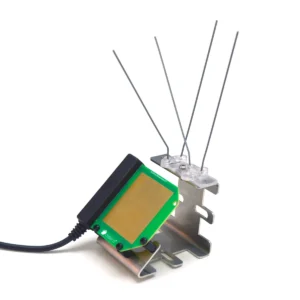
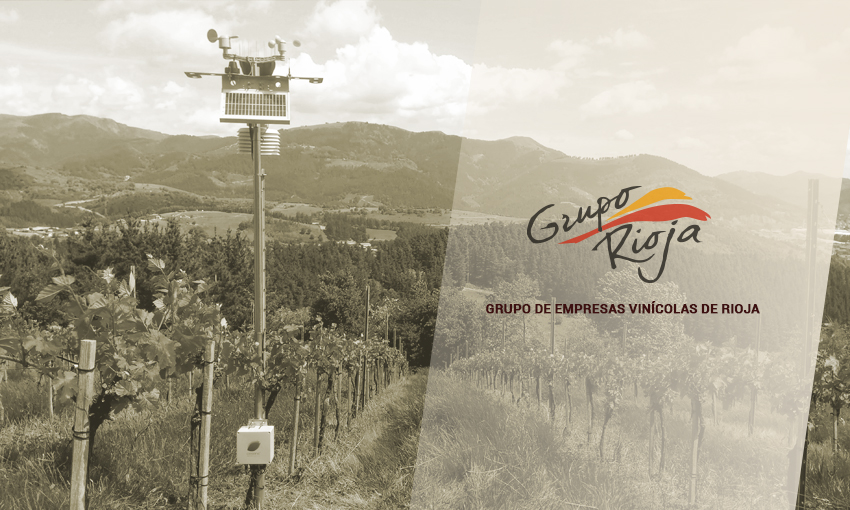
The work begins with the installation of three agroclimatic stations on three representative plots for each of the wineries. These stations will provide data on temperature, precipitation, wind conditions, atmospheric pressure, and solar radiation, as well as air, leaf, and soil moisture at various depths.
To determine the level of risk for downy mildew, the tool will collect and process information from each plot using the CESENS agroclimatic information system, data gathered by field technicians, and infrared satellite images to assess the plants’ vegetative condition.
In addition, factors such as grape varieties,the vegetative stage of the plants, specific characteristics of the sites, vineyard management, and comprehensive information gathered during field visits will be taken into account.
All the information will be processed by the new software, which will generate a calibrated and validated prediction model for the DOCa Rioja. The tool will be accessible from any device with an internet connection, allowing winegrowers to apply treatments to each plot before the spores germinate, thereby preventing the onset of downy mildew.
With a two-year development period and a budget of €628,644, the project has received support from the Economic Development Agency of La Rioja (ADER) in the form of a grant of €194,593.
_ _ _ _ _ _ _ _ _ _ _ _ _ _ _ _ _ _
For more information, please contact: Juana Larrazabal
Communications Advisor for Grupo Rioja. Phone: 649 95 35 09