Planning ahead is also a way to better manage the crop
Brown spot in soybeans is a disease closely linked to environmental conditions. In this article, we show how, using meteorological data and a predictive model, it is possible to anticipate periods of increased risk of infection and improve decision-making in the field.
A tool designed to support agronomic management, prioritize monitoring, and optimize the timing of preventive actions by combining objective data and technical expertise.
No leer
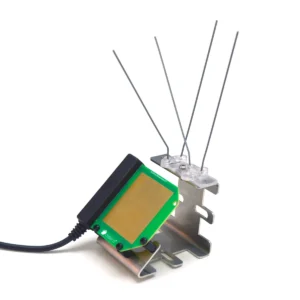
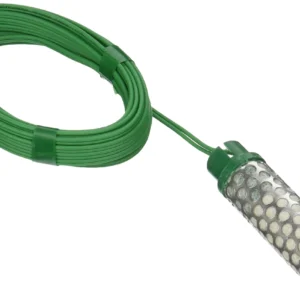
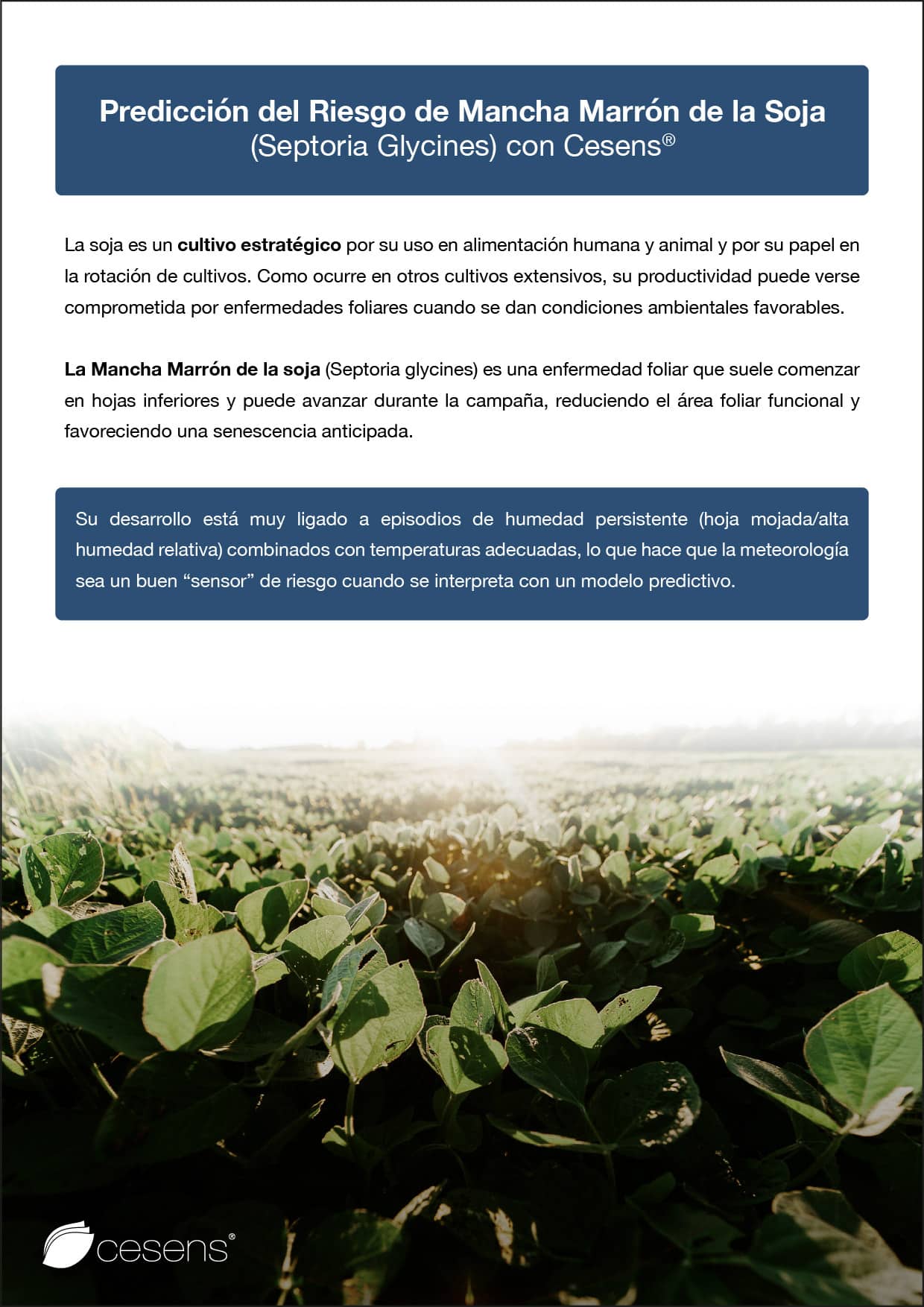
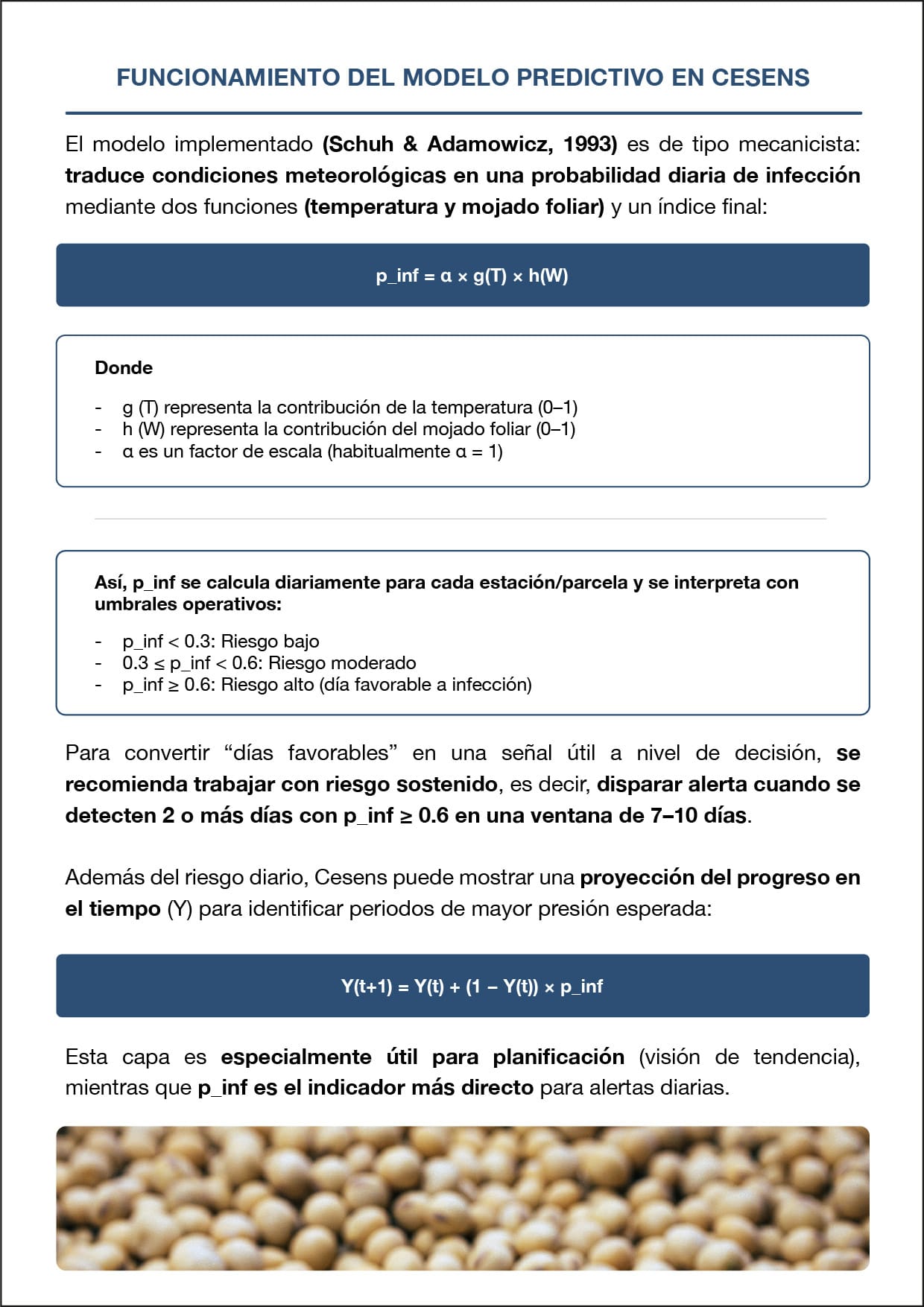
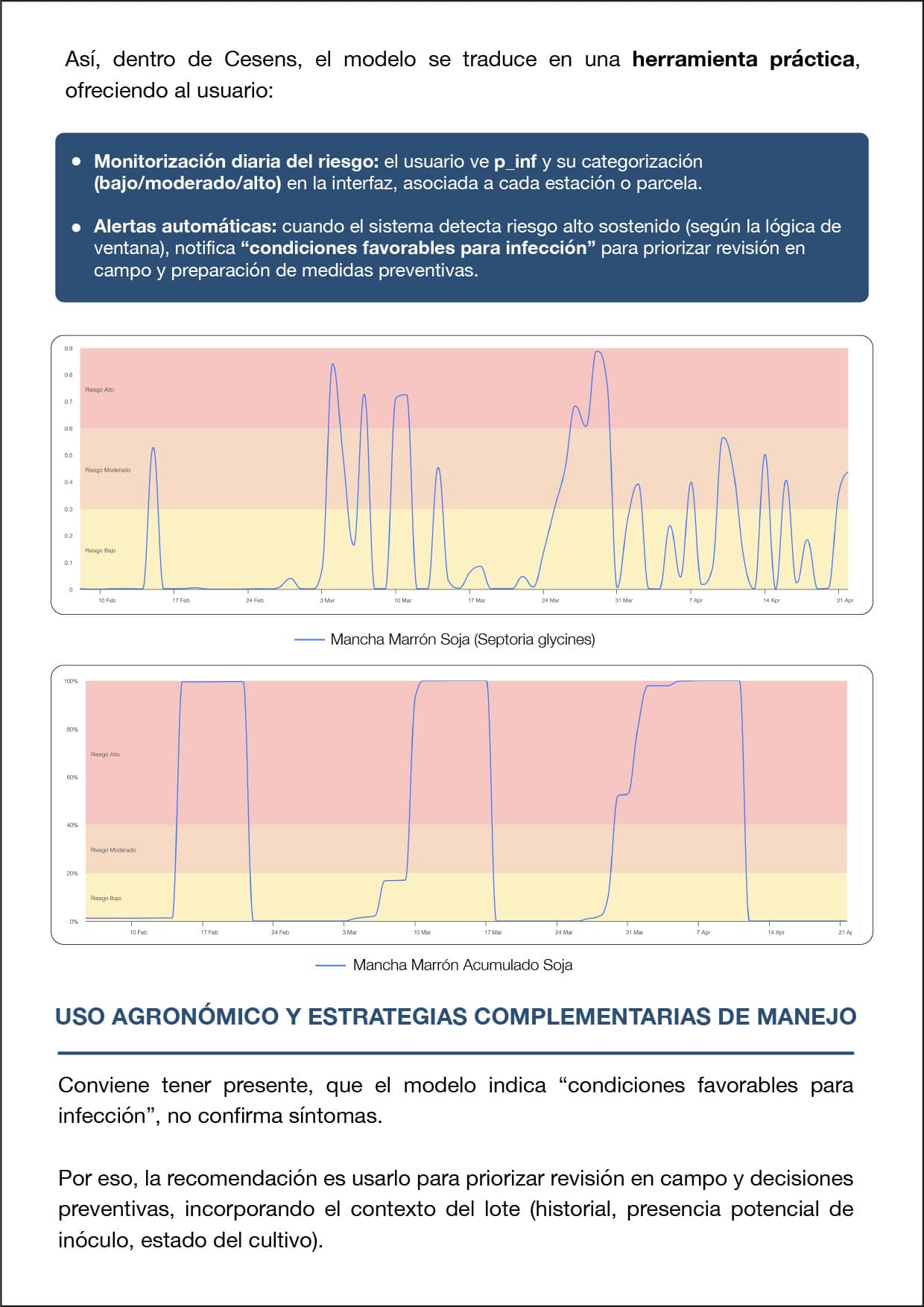
Soybean brown spot (Septoria glycines) is one of the most common leaf diseases affecting this crop, especially in growing seasons characterized by high humidity, prolonged periods of wet foliage, and moderate temperatures. These conditions promote spore germination and infection of leaf tissue, which can lead to a reduction in photosynthetic area, premature senescence, and yield losses. The use of predictive models based on meteorological variables has become a key tool in precision agriculture for anticipating the risk of infection. In this context, Cesens® incorporates a mechanistic model that assesses the daily probability of Septoria glycines infection based on temperature and the duration of leaf wetness—or, failing that, high relative humidity—allowing for the identification of critical risk periods during the growing season. This system does not confirm the presence of the disease but rather identifies environmental conditions favorable to its development, helping farmers and advisors prioritize field monitoring, optimize the timing of preventive decisions, and reduce unnecessary applications. Risk assessment is further enhanced when combined with the field’s history, the possible presence of inoculum, and the crop’s phenological stage. Through continuous monitoring of crop health risk, automatic alerts, and cumulative risk projections, Cesens® facilitates a more efficient and sustainable integrated management of soybean diseases. This strategy helps improve agronomic decision-making, minimize the impact of foliar diseases, and move toward production systems based on objective data and field validation.